


Hotel Development and Financing Guide
Why Hotel Financing is Different
Hotels are considered specialised commercial assets, which means lenders often assess them differently to residential or other commercial property investments.
In addition to the value of the real estate itself, banks and financiers will evaluate a hotel’s operating performance, market demand, management capability and long-term viability.
These factors, amongst others, will inform the banks views on the borrowers ability to service debt obligations. As a result, securing finance for a hotel project often requires careful planning, research and a thoughtful business case.
Lenders typically consider:
Historical trading performance
Occupancy and RevPAR trends
Brand affiliation
Property location
Local market conditions
Management experience
Local competition and relative positioning
what lenders look for
When assessing a hotel opportunity, lenders typically evaluate both current market conditions and future growth prospects. This may include tourism and business travel demand, existing and planned accommodation supply, competitive activity, and the impact of future development and infrastructure projects. Understanding these factors helps build a clearer picture of a property’s long-term performance potential.
Accessibility, visibility, proximity to demand drivers and the broader growth outlook for a region can also influence financing decisions. Conducting thorough market research and due diligence can help investors better understand opportunities, identify potential risks and strengthen their investment case.
what lenders look for

Brand Affiliation and Positioning
Hotels with a clear market position and affiliation with a recognised brand can provide lenders with additional confidence. A well-defined customer proposition, supported by established brand standards, distribution channels and operational support, can help demonstrate the long-term viability of a hotel investment.

Experienced Owners and Operators
The experience and capability of hotel owners and operators are important considerations for lenders. A proven track record, industry knowledge and strong operational expertise can help demonstrate a property's ability to perform over the long term.
Market Demand and Location
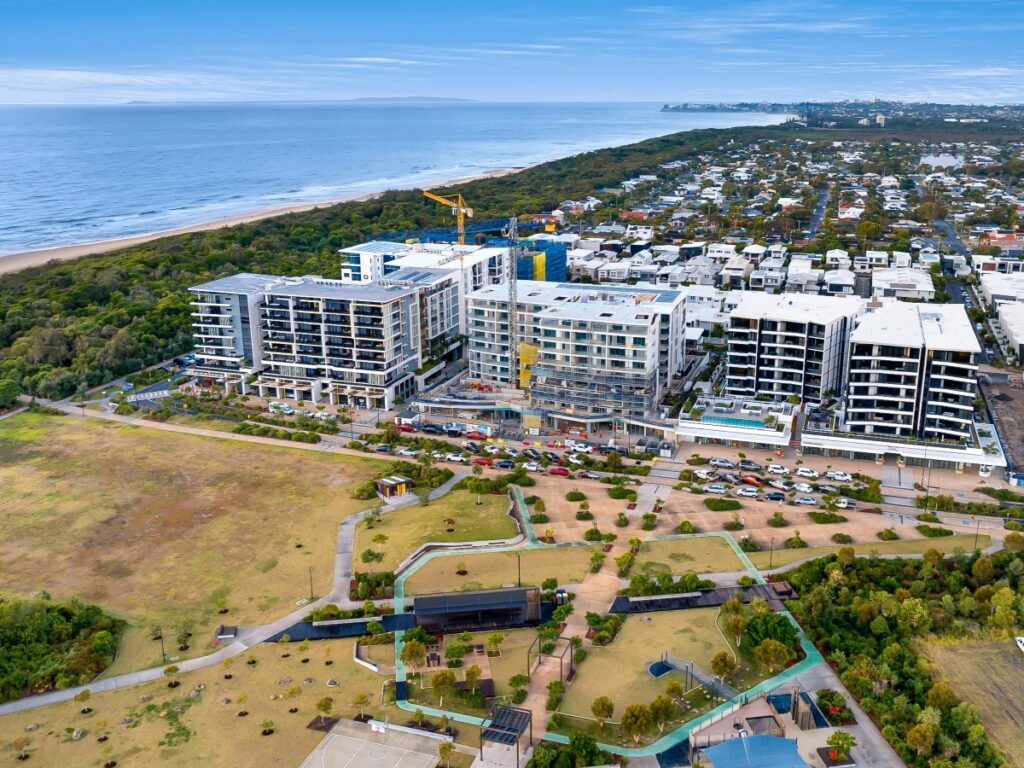
Location remains one of the most important factors in hotel investment, but lenders will also assess the strength of the market in which a property operates. A well-located hotel in a market with sustainable demand is often viewed more favourably than a strong asset in a market facing oversupply or declining demand.

common risks to consider
Every hotel investment involves risk, and understanding these risks is an important part of securing finance and building a sustainable business. Lenders will assess not only the strength of the property and market opportunity, but also the factors that could affect future performance.
Development Risk
Construction delays, cost overruns, planning challenges and changing market conditions can all impact the viability of a project. Careful planning, realistic budgeting and timelines can help reduce exposure to these risks.
Operating Risk
Hotel performance is influenced by factors such as occupancy, room rates, guest reviews, market reputation and asset appointment. Understanding key drivers to sustain or improve the asset’s performance under different market scenarios is an important part of the financing process.
Market Risk
Changes in accommodation supply, visitor demand, interest rates, operating costs and broader economic conditions can affect long-term performance and investment returns. Maintaining financial flexibility and regularly assessing market conditions can help investors adapt to changing circumstances.
why experience and support matter
While every hotel investment is different, there are several common challenges that can affect long-term performance. Understanding these risks early can help owners make more informed decisions and establish a stronger foundation for success.
Why experience and support matter

Management and Operations
Strong leadership, effective revenue strategies and a focus on the guest experience are critical to sustained success. Hotels that lack clear operational processes or access to industry expertise can find it more difficult to adapt to changing market conditions.

Understanding The Market
Overlooking market demand, future supply, or competitive pressures can significantly impact occupancy, room rates and profitability. Regular market analysis helps support informed decision-making and long-term growth.

Due Diligence
Thorough research and realistic financial planning can help identify risks before they become costly challenges. Understanding the commercial, operational and financial drivers of a hotel investment is essential before committing capital.

Financial Commitments
Access to capital is critical, but successful projects are supported by realistic funding structures and suitable financial contingencies. Maintaining adequate reserves can help owners navigate unforeseen market conditions and protect long-term investment performance.

Poor Management and Operational Oversight
Strong leadership, effective revenue strategies and a focus on the guest experience are critical to sustained success. Hotels that lack clear operational processes or access to industry expertise can find it more difficult to adapt to changing market conditions.
Failing to Understand the Market
Overlooking market demand, future supply, or competitive pressures can significantly impact occupancy, room rates and profitability. Regular market analysis helps support informed decision-making and long-term growth.
Insufficient Due Diligence
Thorough research and realistic financial planning can help identify risks before they become costly challenges. Understanding the commercial, operational and financial drivers of a hotel investment is essential before committing capital.
Overextending Financial Commitments
Access to capital is critical, but successful projects are supported by realistic funding structures and suitable financial contingencies. Maintaining adequate reserves can help owners navigate unforeseen market conditions and protect long-term investment performance.
does brand affiliation matter?
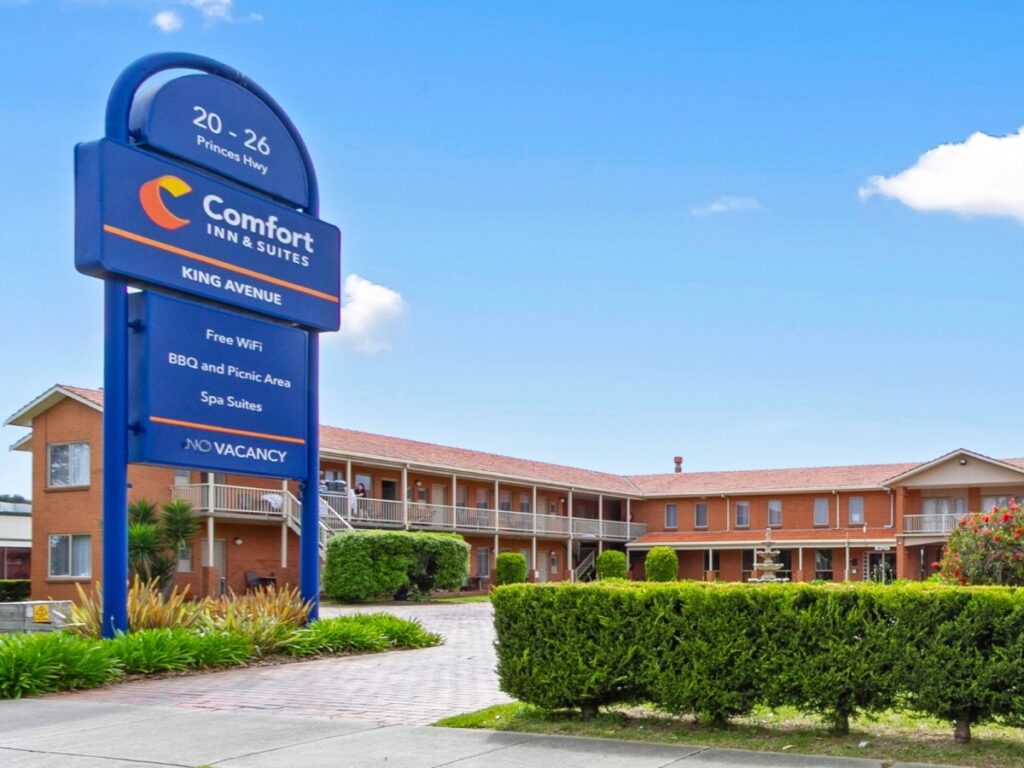
Branding is about more than signage and marketing. A recognised hotel brand, backed by a strong franchisor, can provide access to systems, resources and expertise that may be difficult to replicate independently.
The brand and system helps owners drive operational and financial performance, strengthen their market position and compete more effectively in an ever-changing accommodation landscape.
Affiliation with an established brand can also bring greater consistency across key areas that impact hotel performance, including; distribution, sales, loyalty, technology, marketing, revenue optimisation and guest acquisition.
These capabilities can help hotels reach a broader audience, generate demand more efficiently and promote financial resilience in changing market conditions.
Qualified hospitality lenders are familiar with the competitive landscape and have experience working with branded hotels. From a lender’s perspective, brand affiliation can be viewed positively as part of a property’s overall business proposition.
A recognised brand and franchise system may be recognised as providing access to established operating standards, support structures and proven commercial platforms, helping demonstrate a hotel’s ability to attract guests and sustain performance over the long term.
Whether developing a new hotel, converting an existing property or repositioning an established business, access to proven systems, operational expertise and an experienced support network can be an important factor in maximising the long-term potential of the asset.